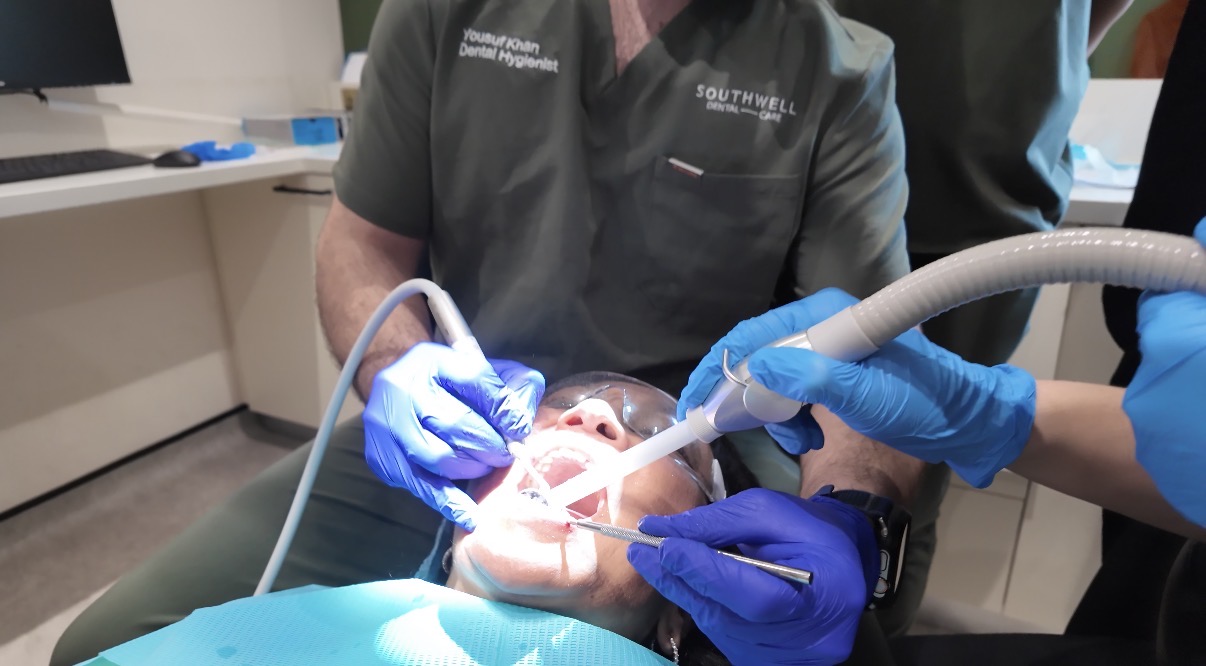
Choosing a new dentist is an important decision. Whether relocating to the area, returning to dental care after some time away, or simply seeking a change, many people feel unsure about what the first appointment will involve. For those searching for a new dentist in Southwell, understanding what to expect can help reduce uncertainty and make the process feel straightforward and comfortable.
This guide explains each stage of a typical new patient appointment, what information may be discussed, and how the visit supports long-term oral health.
Why the First Appointment Matters
A new patient appointment is more than a routine check-up.
It is designed to:
- Assess overall oral health
- Identify existing concerns
- Establish a baseline for future care
- Discuss goals or cosmetic interests
- Build a clear, personalised care plan
This initial visit forms the foundation for ongoing dental maintenance and preventative care.
Before the Appointment: Registration and Medical History
Most dental practices ask new patients to complete:
- A medical history form
- Details of current medications
- Information about allergies
- Previous dental history
Providing accurate medical information is essential, as certain health conditions and medications may influence dental treatment.
Step 1: A Warm Welcome and Initial Discussion
The appointment usually begins with a conversation.
This may include:
- Any current pain or concerns
- Previous dental experiences
- Cosmetic goals (e.g. teeth straightening or whitening)
- Anxiety or nervousness about treatment
Open discussion allows the dental team to tailor care to individual needs.
Step 2: Comprehensive Oral Examination
A detailed examination of the mouth is carried out.
This often includes assessment of:
- Teeth condition
- Gum health
- Bite alignment
- Existing restorations (fillings, crowns, bridges)
- Soft tissues (tongue, cheeks, palate)
The aim is to identify signs of decay, gum disease, wear, or other issues that may require attention.
Step 3: Digital X-Rays (If Required)
X-rays may be recommended to assess areas not visible to the naked eye.
They can help detect:
- Hidden decay
- Bone levels
- Infection
- Impacted teeth
Not all new patients require X-rays immediately; this depends on clinical judgement and dental history.
Step 4: Gum Health Assessment
Gum health is a crucial part of overall oral wellbeing.
The clinician may measure:
- Gum pocket depths
- Signs of inflammation
- Bleeding points
Early detection of gum disease allows for timely management and prevention of progression.
Step 5: Oral Cancer Screening
As part of a routine examination, the soft tissues of the mouth, neck, and jaw may be checked for any unusual changes.
Early identification of abnormalities can be important for overall health.
Step 6: Discussion of Findings and Treatment Plan
Following examination, findings are explained clearly.
This may include:
- Areas requiring treatment
- Preventative advice
- Optional cosmetic improvements
- Timeframes and costs
If treatment is needed, options are outlined so informed decisions can be made. Transparency is an important part of patient care.
Step 7: Hygiene Advice and Preventative Guidance
Preventative dentistry plays a key role in long-term oral health.
Advice may cover:
- Brushing technique
- Flossing or interdental cleaning
- Dietary considerations
- Frequency of check-ups
Maintaining good oral hygiene reduces the likelihood of future issues.
How Long Does a New Patient Appointment Take?
Appointments often last longer than routine check-ups to allow for:
- Thorough examination
- Medical history review
- Discussion of goals
- Questions and clarification
Typically, a new patient appointment may last between 30–60 minutes.
What If You Feel Nervous?
Dental anxiety is common and entirely understandable.
New patients who feel nervous may benefit from:
- Discussing concerns beforehand
- Asking questions about procedures
- Scheduling longer appointments
- Agreeing on stop signals during treatment
Open communication can significantly reduce anxiety.
Considering Cosmetic Treatments?
Many new patients also use their first appointment to explore options such as:
- Invisalign
- Dental implants
- Teeth whitening
- Smile makeovers
The initial consultation provides an opportunity to discuss aesthetic goals alongside general oral health.
How Often Should Check-Ups Be Scheduled?
After the first appointment, recall frequency is recommended based on individual risk factors.
Some patients may benefit from:
- Six-monthly visits
- Annual reviews
- More frequent hygiene appointments
Personalised scheduling supports preventative care.
Frequently Asked Questions
1. Do I need to transfer records from my previous dentist?
This is not always required, but previous records may be helpful in some cases.
2. How much does a new patient appointment cost?
Fees vary by practice and typically include examination and any necessary X-rays.
3. Can I join if I have not seen a dentist for years?
Yes. A thorough assessment helps create a tailored plan moving forward.
4. What if treatment is needed urgently?
Urgent concerns can be prioritised during the appointment.
5. Are payment plans available?
Many practices offer finance or staged treatment options.
6. Can families register together?
Yes, many practices welcome both adults and children.
7. Will I receive a treatment plan in writing?
Yes, a clear written plan is usually provided outlining recommended treatment and costs.
8. What happens after the first visit?
Future appointments are scheduled according to treatment needs or routine recall intervals.
Choosing a New Dentist in Southwell
Registering with a new dentist is an important step in maintaining oral health. A first appointment is designed to be thorough, informative, and supportive providing clarity about current dental health and future care options.
For individuals and families seeking a new dentist in Southwell, booking an initial appointment allows for a comprehensive assessment, personalised guidance, and a clear plan for maintaining a healthy smile long term.
Taking that first step can make all the difference in protecting oral health for years to come. Make sure to book a consultation at our clinic today.